Aluminum Rolling Process: Part One
Abstract
The selection of aluminum for specific applications responds to increasing demands for improved strength-to-weight ratios and other key property advantages. Rolled aluminum products, including sheets, plates, and foils, serve multiple industries, establishing aluminum as a critical material for modern applications. Recent technological advancements in aerospace, automotive, marine, construction, and leisure industries have increased demand for materials with high strength-to-weight ratios, specific modulus, corrosion resistance, and thermal conductivity. Aluminum alloys offer this exceptional combination of properties. Understanding thermomechanical treatments through experimental observations and physically-based modeling is essential for optimizing aluminum processing from casting to end products.
The Growing Demand for Aluminum Rolling Applications
The processing of aluminum alloys from casting to end product involves numerous metallurgical phenomena. To further improve and optimize process routes and alloys, a thorough understanding of thermomechanical treatments through experimental observations and physically-based modeling becomes necessary.
Rolling represents a fundamental mechanical process in metals processing operations. Rolled aluminum products have become essential materials for daily life applications. Thick products serve as structural members for rail cars and aircraft, while thin products function as packaging materials, including aluminum cans and aluminum foils.
Market Applications and Industry Usage
Rolled products—specifically sheets, plates, and foils—constitute almost 50% of all aluminum alloys used globally. In North America, the packaging industry consumes the majority of sheet and foil for manufacturing beverage cans, foil containers, and foil wrapping materials.
Sheet aluminum finds extensive use in building applications for roofing and siding, transportation applications for airframes, road and rail vehicles, and marine applications, including offshore platforms and boat superstructures and hulls.
While relatively little aluminum is currently used in high-volume production automobiles, the next decade is expected to see sheet aluminum used for both space frames and body panels. This automotive market could easily match the 2 million tons now used for beverage cans.
Plate aluminum serves critical functions in airframes, military vehicles, bridges, ship superstructures, cryogenic and chemical vessels, and as tooling plate for plastic product manufacturing. Foil applications extend beyond packaging to include electrical equipment, building insulation, lithographic plates, and heat exchanger components.
Aluminum Rolling Equipment and Process Technology
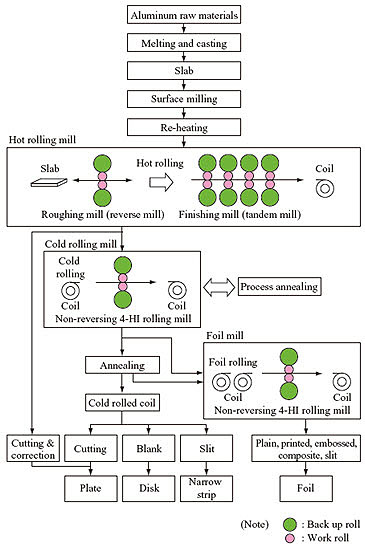
Figure 1: Aluminum rolling process
Figure 1 presents the manufacturing processes of rolled aluminum products. Rolling equipment divides into three primary categories: hot rolling mills, cold rolling mills, and foil mills. Rolling typically involves applying load to materials by forcing them vertically through a pair of work rolls.
The work rolls experience deformation under high loads during the rolling process, consequently distorting the shapes of rolled strips. To address this challenge, manufacturers install one or more backup rolls above and beneath each work roll to minimize deformation and maintain product quality.
Future Prospects in Aluminum Rolling Technology
The aluminum rolling industry continues evolving to meet increasing demands for lightweight, high-strength materials across multiple sectors. Advanced rolling technologies and process optimization contribute to enhanced product quality and expanded application possibilities.
Understanding the complex metallurgical phenomena involved in aluminum rolling processes enables manufacturers to develop superior alloys and optimize production routes for specific applications.
Acesse Propriedades Precisas de Ligas de Alumínio Agora!
Total Materia Horizon contém informações de propriedades para mais de 30.000 alumínios: composição, propriedades mecânicas, físicas e elétricas, propriedades não lineares e muito mais.
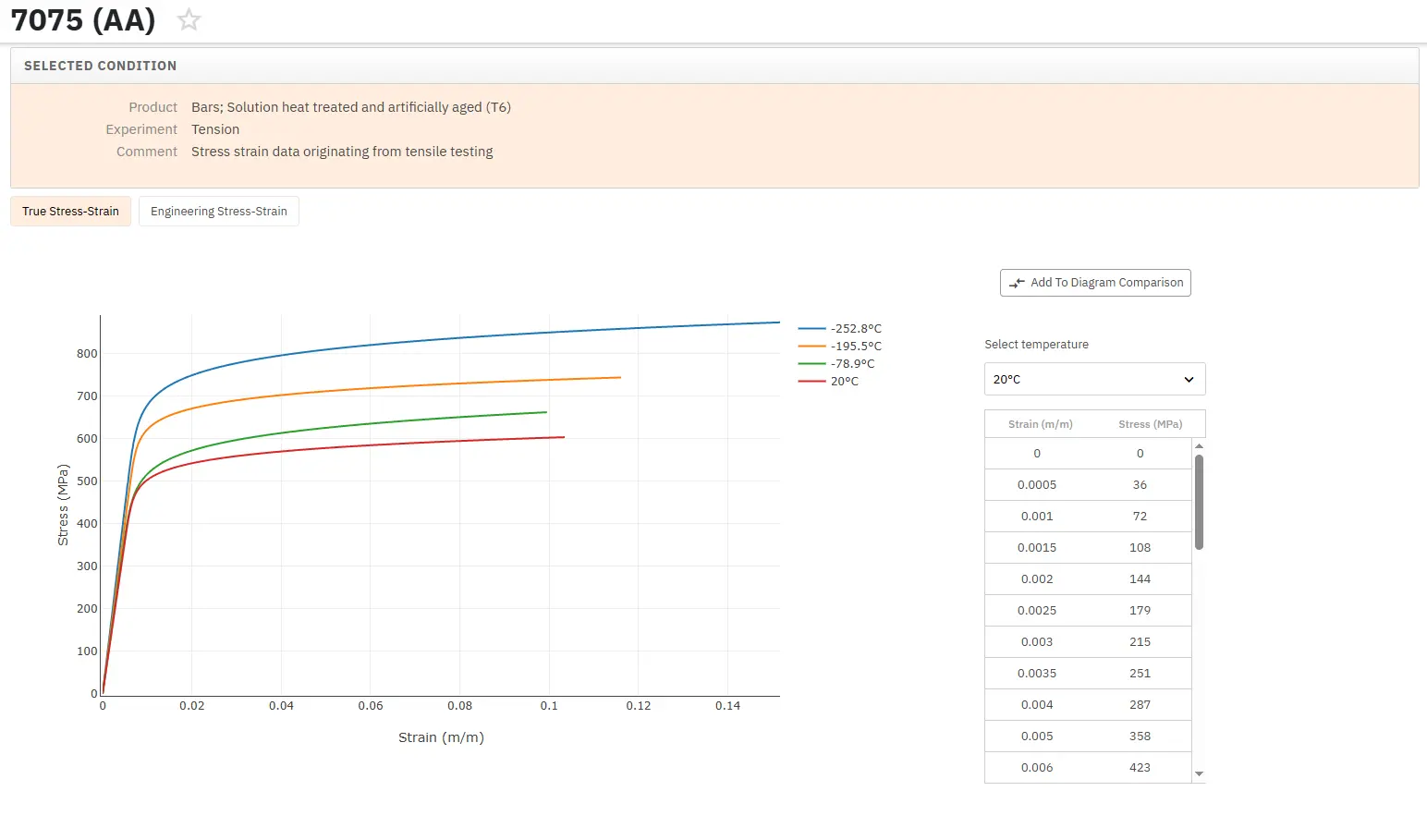
Obtenha uma conta de teste GRATUITA na Total Materia Horizon e junte-se a uma comunidade de mais de 500.000 usuários de mais de 120 países.